Selsdon Vale Estate Bulky Waste Advice, Croydon: A Practical Local Guide to Clearing Large Items Properly
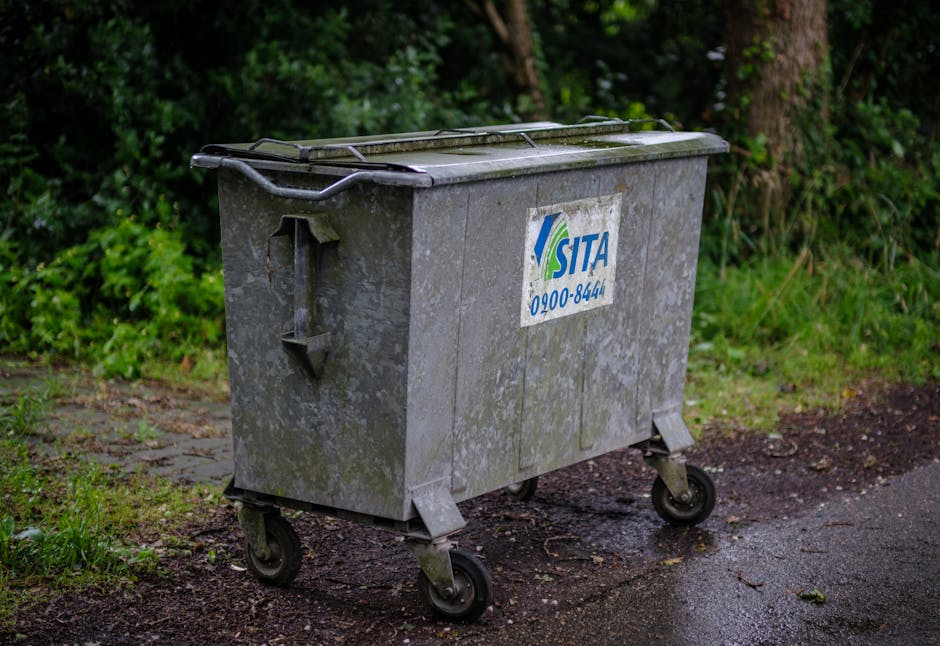
If you live on or near Selsdon Vale Estate and need to get rid of a sofa, mattress, wardrobe, broken appliance, or a pile of mixed household waste, the process can feel surprisingly awkward. Bulky items are not just "more rubbish"; they often need planning, lifting, sorting, and the right disposal route. This guide gives clear, local, and practical Selsdon Vale Estate bulky waste advice, Croydon, so you can choose the easiest, safest, and most sensible option for your situation.
Whether you are clearing a flat, tidying a garage, managing a probate property, or simply replacing worn-out furniture, the right approach can save time, avoid missed collections, and reduce stress. You will also find useful links to related services if your bulky waste is part of a bigger clearance project.
Table of Contents
- Why Selsdon Vale Estate Bulky Waste Advice, Croydon Matters
- How Selsdon Vale Estate Bulky Waste Advice, Croydon Works
- Key Benefits and Practical Advantages
- Who This Is For and When It Makes Sense
- Step-by-Step Guidance
- Expert Tips for Better Results
- Common Mistakes to Avoid
- Tools, Resources and Recommendations
- Law, Compliance, Standards, or Best Practice
- Options, Methods, or Comparison Table
- Case Study or Real-World Example
- Practical Checklist
- Conclusion
- Frequently Asked Questions
Why Selsdon Vale Estate Bulky Waste Advice, Croydon Matters
Bulky waste tends to create problems in the real world because it is inconvenient in all the ways ordinary bin rubbish is not. A mattress is too large for a standard bin. A wardrobe may need dismantling. A damaged fridge can be heavy, awkward, and potentially hazardous. Add narrow access, shared entrances, parking limitations, or stairs, and a simple "throw it away" task becomes something that needs a plan.
On a residential estate, the stakes are even higher. Items left in communal areas can cause obstruction, attract complaints, and sometimes create a fire or trip hazard. If one person leaves a bulky item "just for a day or two," it can quickly turn into an eyesore that affects neighbours and management teams. That is why estate-specific bulky waste advice matters: it is not only about removal, but about doing it in a way that respects access, timing, and shared spaces.
There is also a practical cost to getting it wrong. If you book the wrong service, forget to separate recyclable materials, or underestimate the size of the load, you may face delays or extra charges. In our experience, the most successful clearances are the ones where the household has already decided what stays, what goes, and what needs special handling.
Expert summary: The best bulky waste plan is usually the simplest one that fits the property layout, the item type, and the amount of waste involved.
If your bulky waste is part of a wider cleanout, it may make sense to look at home clearance in Croydon or a more specific service such as house clearance, especially when furniture, appliances, and bagged waste are all leaving together.
How Selsdon Vale Estate Bulky Waste Advice, Croydon Works
At a practical level, bulky waste advice is about matching the waste type to the right removal method. Not every item should be treated the same way. A broken sofa, a set of drawers, and a pile of renovation offcuts all have different handling needs. The "how" depends on whether you are dealing with a few items or a larger mixed load.
Most bulky waste jobs follow a simple pattern:
- Identify the items that need to go.
- Check whether they can be reused, sold, donated, or recycled.
- Decide if you need help with lifting, dismantling, or loading.
- Choose a disposal route based on volume, access, and urgency.
- Make sure the collection point is safe and easy to reach.
For many residents, the main decision is between self-managed disposal and a professional collection. Self-managed disposal can work if you have transport, help with lifting, and the time to take items away safely. Professional removal is often better when the items are too heavy, too awkward, or simply too much to deal with in one go.
If the waste is mixed with old furniture, broken household items, or garage clutter, a targeted service can help. Related options such as furniture disposal and flat clearance are especially useful where access is limited or the job involves more than one room.
Another important point: bulky waste removal is often less about the item itself and more about the logistics. Can a large sofa fit through the stairwell? Is there parking nearby? Will the item need to be split down first? These little details determine whether the job feels smooth or stressful.
Key Benefits and Practical Advantages
Good bulky waste planning brings benefits that are easy to underestimate until the job is done. The most obvious one is convenience, but there is more to it than that.
- Saves time: You avoid multiple trips, long waits, and last-minute rearranging.
- Reduces lifting risks: Large items are a common cause of strain and accidental damage.
- Improves shared spaces: Clean hallways, entrances, and stairwells are easier for everyone to use.
- Supports recycling: Many items can be separated into material streams rather than sent as mixed waste.
- Helps with bigger life events: Moves, refurbishments, bereavements, and downsizing all become easier to manage.
There is also a hidden benefit: once the bulky waste is out, you can see the room properly again. That sounds obvious, but anyone who has stared at a spare room filled with an old sofa, a half-broken desk, and three mystery boxes knows the relief of a clear floor.
For larger clear-outs, it can be worth comparing a general waste pickup with a more structured clearance such as garage clearance or loft clearance, particularly where access and sorting are likely to take time.
Who This Is For and When It Makes Sense
This advice is relevant to a wide range of residents and property types on and around Selsdon Vale Estate. It is not just for major renovations or large house moves. In fact, some of the most common bulky waste jobs are modest and practical.
You may need this guidance if you are:
- Replacing old furniture and want the previous items removed responsibly
- Clearing a spare room, loft, shed, garage, or hallway
- Managing a tenant move-out or end-of-tenancy clean-up
- Preparing a property for sale or let
- Dealing with inherited belongings after a bereavement
- Refreshing a home after decorating or light building work
- Removing items that are too large for standard council bin collections
It also makes sense when you want the job handled in one visit. Many people do not want to break the work into separate phases. They want the sofa gone, the cupboard out, the broken washing machine removed, and the room left clear enough to use again. Fair enough.
If the task includes several types of waste, the right service may be broader than bulky item removal alone. For example, waste removal is often the better fit when a room contains a mix of large items, bags of clutter, and recycling that needs sorting.
Step-by-Step Guidance
A calm, methodical approach usually makes bulky waste far easier to handle. Below is a practical sequence you can follow.
1. Sort items into clear groups
Separate items into categories such as keep, donate, recycle, and dispose. This avoids loading the van with items that could be reused, and it helps prevent waste from being sent to the wrong place.
2. Measure anything awkward
Large wardrobes, divan beds, and sofas are often bigger or heavier than they first appear. Measure doorways, stairs, and landings if you plan to move them yourself. If the item will not fit safely, dismantling may be the smarter choice.
3. Check for hazardous or specialist items
Some bulky waste needs extra care. Examples include white goods containing gases, electrical items, damaged glass, paint tins, and anything with sharp edges. Do not assume every large item can be handled in the same way.
4. Clear the access route
Move small furniture, rugs, loose cables, and fragile items out of the way. A clear route makes lifting safer and faster, especially in shared hallways or tight staircases.
5. Decide whether you need a full clearance or a single-item pickup
If you are removing only one or two items, a simpler collection may be enough. If the room or property is cluttered, a bigger clearance is often more efficient. Related services such as furniture clearance and house clearance can be a better fit for mixed loads.
6. Book at a sensible time
Choose a time that suits access, parking, and neighbours. Early communication is helpful in estates and apartment blocks, where collection vehicles may need space to manoeuvre or park briefly close to the entrance.
7. Confirm what is included
Before the job starts, make sure you understand whether dismantling, lifting from upstairs, loading, and disposal are included. That small conversation prevents most misunderstandings later.
Expert Tips for Better Results
A few small habits make a big difference to bulky waste jobs. These are the details people often skip, then wish they had not.
- Take photos before booking: Pictures help identify access issues and the true size of the load.
- Separate reusable items early: Chairs, tables, and cabinets in decent condition may be suitable for reuse rather than disposal.
- Break down furniture where sensible: Flat-pack-style furniture is far easier to move once it is dismantled.
- Keep fixings together: Put screws, bolts, and brackets in a labelled bag if the item may be reassembled or recycled.
- Think about the finish line: If you are clearing one room, do you want it left swept and ready, or just emptied?
One useful rule of thumb: the less guessing involved, the better. A good operator can usually work around difficult access or mixed waste, but they cannot read minds. That is true in waste removal and, frankly, in most life admin.
If sustainability matters to you, ask about sorting and recycling routes in advance. Services that align with recycling and sustainability are worth considering when you want to reduce landfill use where possible.
For peace of mind around professionalism and handling, it is also sensible to review a provider's health and safety approach and insurance and safety information before booking.
Common Mistakes to Avoid
Most bulky waste problems come from a handful of avoidable mistakes. None of them are unusual, which is why they catch people out so often.
Leaving everything to the last minute
Urgency leads to poor decisions. A rushed booking often means forgotten items, blocked access, or an underestimated load.
Assuming everything can go together
Some materials and item types should be separated for safety and proper disposal. A mixed pile may look efficient, but it can create sorting delays.
Forgetting access restrictions
Estate parking, loading areas, stair widths, and lift rules all matter. A great waste plan fails fast if the vehicle cannot get close enough.
Not checking what the service includes
One quote may include lifting and loading, while another may not. Make sure you are comparing like with like.
Keeping fragile items mixed in with bulky waste
Loose glass, broken ceramics, and sharp wood offcuts can cause injury if they are not handled carefully.
If your waste includes construction debris, it is better to treat it as builder-related material rather than ordinary household bulky waste. In that case, builders waste clearance may be the more suitable route.
Tools, Resources and Recommendations
You do not need a professional toolkit to get started, but a few practical items make bulky waste handling easier and safer.
- Work gloves: Helpful for grip and protection against splinters or rough edges.
- Measuring tape: Useful for checking whether large items can fit through doors or hallways.
- Strong bags or boxes: Best for screws, fittings, loose parts, and smaller mixed items.
- Blankets or covers: Handy for protecting floors, walls, and remaining furniture during movement.
- Dolly or sack truck: Useful if you are moving heavy items and have suitable experience.
- Labels or marker pens: Ideal for sorting items into keep, donate, recycle, or dispose.
For many households, the most useful resource is simply a clear plan and a realistic time window. Don't overcomplicate it. If there are multiple rooms involved, make a simple room-by-room list and tick items off as they go.
When you are choosing a provider, service pages can help you compare the right fit for your job. For example, furniture clearance suits large domestic items, while home clearance is better when the job is wider and less item-specific.
If you want to learn more about the company background and local service approach, the about us page is a useful place to start, and the contact us page is the next sensible step if you already know what needs removing.
Law, Compliance, Standards, or Best Practice
Bulky waste removal in the UK is not just about convenience. There are legal and practical expectations around waste duty of care, safe handling, and correct disposal. You do not need to be a legal expert, but you do need to avoid casually leaving waste with an unknown carrier or dumping items in a way that creates risk.
As a general best practice, check that any waste carrier or clearance company can explain where the waste goes, how it is handled, and how they manage recycling or disposal. Responsible operators should be able to outline their process clearly. That transparency matters.
It is also sensible to ask about:
- How mixed waste is sorted
- Whether reusable items are separated first
- How electrical items are dealt with
- What happens to recyclable materials
- How access, lifting, and site safety are managed
If you are comparing providers, compliance should sit alongside price and convenience. A cheaper option is not a better option if it creates uncertainty about disposal standards. If you value clarity on paperwork and customer expectations, pages such as terms and conditions and payment and security can also help you understand how a business operates.
For people dealing with business premises, a separate route such as business waste removal or office clearance may be more appropriate than domestic bulky waste support.
Options, Methods, or Comparison Table
There is no single "best" disposal method for every bulky waste job. The right option depends on item type, quantity, access, and urgency. The table below offers a plain-English comparison.
| Option | Best for | Main advantage | Limitations |
|---|---|---|---|
| DIY disposal | Small volumes, easy access, sturdy vehicle available | Can be low-cost if you already have transport | Heavy lifting, time, and fuel add up quickly |
| Local authority collection | Standard bulky items where available | Structured and familiar for residents | May have booking limits, item rules, or waiting times |
| Private bulky waste collection | Urgent jobs, mixed items, difficult access | Convenient, flexible, and often faster | Usually higher cost than self-managed options |
| Full property clearance | Multiple rooms, cluttered homes, move-outs, probate | Efficient for larger or more complex jobs | May be more service than you need for one item |
For a single sofa, a focused collection may be enough. For a loft, garage, and hallway full of mixed items, a broader clearance often saves hassle in the long run. That is why service matching matters so much.
Case Study or Real-World Example
Consider a typical Selsdon Vale Estate scenario. A resident is replacing a worn sofa, disposing of an old mattress, and clearing a small pile of broken furniture from a spare room. The hallway is narrow, the property is on an upper floor, and the resident does not want items left outside overnight.
The first sensible step is sorting. The mattress and sofa are obvious bulky waste, while a small table with reusable fittings may be separate. The second step is checking access. Can the sofa be moved safely around corners, or should it be dismantled first? The third step is choosing the right service. Because the items are large, awkward, and time-sensitive, a professional collection is likely a better fit than trying to fit everything into a borrowed car.
In this kind of job, the difference between a stressful and a smooth outcome is usually preparation. Once the access route is clear and the items are identified, removal becomes much more straightforward. The room is emptied, the shared area stays tidy, and the resident avoids multiple trips or awkward lifting.
A similar approach works for bigger jobs too. If the same household were also clearing a garage or loft, a broader clearance service would probably be the better choice from the start.
Practical Checklist
Use this checklist before you book or begin a bulky waste collection.
- Have I listed every item that needs to go?
- Have I separated keep, donate, recycle, and dispose piles?
- Do I know whether any item needs dismantling?
- Have I checked doors, stairs, lifts, and parking access?
- Do I need help with lifting or loading?
- Are any items electrical, hazardous, sharp, or unusually heavy?
- Have I confirmed what the service includes?
- Am I comparing similar services, not just the cheapest headline price?
- Have I chosen a sensible date and time for access?
- Do I know what will happen to reusable or recyclable items?
And if the job is bigger than expected, pause and reassess. It is far better to spot that early than halfway through a staircase with a wardrobe wedged at an unfortunate angle.
Conclusion
Selsdon Vale Estate bulky waste advice in Croydon comes down to one clear principle: match the method to the job. A single item, a mixed household load, and a full property clearance each need a different approach. When you think through access, item type, safety, and disposal route in advance, the whole process becomes much easier.
For many residents, the smartest decision is not the cheapest-looking one on paper, but the one that saves time, avoids damage, and gets the job done properly the first time. If you are clearing a home, garage, loft, or furniture load, choosing a service that understands local access and sorting requirements can make a real difference.
Get a free quote today and see how much you can save.
To compare options or talk through your requirements, start with the most relevant service pages and use the contact form once you know the size and type of waste you need removed.
Frequently Asked Questions
What counts as bulky waste on Selsdon Vale Estate?
Bulky waste usually means items too large for ordinary bin collections, such as sofas, beds, wardrobes, tables, mattresses, and large appliances. If it is awkward to carry or will not fit in a standard bin, it probably counts as bulky waste.
Can I leave bulky waste in a communal area while I wait for collection?
Usually, that is not a good idea. Shared hallways, entrances, and stairwells should stay clear for safety and access reasons. It is better to store items securely inside your property until collection day.
Is it better to dismantle furniture before collection?
Often, yes. Flat-pack furniture, bed frames, and wardrobes are usually easier to move once broken down. If dismantling creates sharp edges or exposes hazardous parts, though, it is safer to leave it intact and discuss that in advance.
What if my bulky waste includes old furniture and general clutter?
A mixed load is common. In that case, a broader service such as waste removal or home clearance may suit you better than a single-item collection.
How do I know whether I need furniture clearance or furniture disposal?
If the items are still usable or you want a collection focused on household furniture, furniture clearance may be the right fit. If the items are damaged, unusable, or being taken purely for disposal, furniture disposal is the more direct option.
Can bulky waste be recycled?
Often, yes. Many materials can be separated, including metals, wood, and some electrical components. The exact recycling route depends on the item and its condition, so it is worth asking how the waste will be sorted.
What should I do with a mattress?
Keep it dry, avoid bending it too much, and make sure it can be moved without blocking access routes. Mattresses are awkward items, so they are often easiest to remove as part of a larger furniture clearance.
Do I need to be at home for the collection?
In many cases, yes, especially if access arrangements need explaining or if the items are inside the property. Some services may offer alternative arrangements, but it is best to confirm beforehand.
What if the waste is from decorating or building work?
That is usually better handled as construction-related waste rather than ordinary household bulky waste. A specialist route such as builders waste clearance is often more appropriate.
How do I choose between a local authority collection and a private service?
Think about urgency, access, quantity, and how much sorting is involved. A local authority collection may be suitable for standard items, while a private service can be better if you need flexibility, faster timing, or help with a more complex load.
Can bulky waste removal include items from a garage or loft?
Yes, and that is very common. If the job involves stored clutter, old tools, boxes, or hidden furniture, related services like garage clearance and loft clearance can be a practical match.
What should I ask before booking a collection?
Ask what is included, how access is handled, whether lifting and dismantling are covered, and how reusable or recyclable items are treated. A good provider should answer clearly and without fuss.