Office Clearance in Croydon

Office clearance in Croydon needs a practical, organised approach when workspaces change hands, records have to be sorted, or redundant furniture must be removed without disrupting the rest of the building. Our service focuses on clearing offices, back rooms, storage areas and associated business spaces in a way that keeps useful items separate from material that needs recycling or disposal. That means the work can be planned around what stays, what goes, and what should be handled with extra care.
We provide a clear, straightforward clearance service for workplaces that want desks, chairs, cabinets, shelving, archive material and general office contents dealt with properly. In many cases the job is not only about removal; it is also about deciding which items can be retained, which can be passed on, and which should be removed in line with the site’s own instructions. If you are comparing options, our office clearance service gives a useful starting point for understanding the scope of work.
For larger clearances, it helps to think in stages. A site may include open-plan desks, meeting rooms, comms cupboards, kitchen areas and storage rooms, all of which can contain different types of materials. We work with the aim of keeping that process orderly and manageable, so the clearance reflects the layout and the contents of the premises rather than forcing everything into one generic approach. Good clearance planning is usually about separation, access and a sensible order of work.
What office clearance can cover
Office clearance often involves a mix of heavy furniture, lighter fittings and everyday items that have built up over time. Workstations, conference tables, filing cabinets, monitor stands, partition sections and reception furniture may all be part of the same project. The right approach depends on whether the space is being emptied, reorganised or prepared for refurbishment, and whether the contents need to be handled as ordinary office materials or as specialist waste streams.
We can also deal with the practical details that often sit around the main removal. That may include separating reusable items from unwanted ones, identifying bulky pieces that need careful lifting, and making sure access routes are considered before work begins. If you want to compare other categories of work, business waste removal is a related option for premises with broader ongoing waste needs rather than a one-off clear-out.
Common office clearance items and decisions can include:
- desks, chairs and meeting room furniture
- lockers, cupboards and filing units
- paper records, boxed documents and mixed office waste
- small appliances, cables and IT-related items
- storage contents that need sorting before removal
Furniture and fittings within an office

Furniture clearance is often a central part of office work, especially where a workplace has accumulated a wide mix of desks, swivel chairs, meeting tables and storage units. Some pieces may still be serviceable and need to be set aside for reuse, while others may be damaged, outdated or simply no longer suitable for the space. A careful clearance plan helps avoid mixing the two, which makes the overall process more efficient and easier to manage.
Our furniture-focused work can be useful when the office contains heavier or awkward pieces that need to be removed without disturbing other fixtures. It may also suit spaces where a clear room-by-room sequence is important, such as reception first, then workstations, then stores and back offices. If you are looking at related household-style clearances as well, furniture clearance offers another service area that may be relevant to mixed premises or individual items.
Where furniture is part of a wider clear-out, the question is often how to keep the process controlled. That usually means checking access widths, identifying items that need dismantling, and deciding whether grouped items should be removed together or in separate passes. Clearance is not just physical lifting; it is also about making practical choices that suit the building, the contents and the sequence of work. Careful handling matters when a space contains a lot of reusable equipment.
House and home-style contents in mixed premises
Some commercial properties contain items that are not purely office-based, especially where staff rooms, upper floors or combined live-work buildings are involved. In those situations, the clearance may overlap with domestic-style contents such as sofas, shelving, wardrobes, soft furnishings or general household storage. A service that can deal with mixed contents is useful when the building has changed use over time or contains more than one type of room.
Where a project includes that broader mix, we can keep the work organised by area rather than by assumption. A cabinet in a stock room, for example, may need a different treatment from a chair in a meeting suite or a box of household belongings in a private space. For a fuller look at one of the related services, house clearance is available on the site and can help when the contents lean more towards residential-style items.
The practical point is that a mixed-property clearance benefits from a measured approach. It is easier to work well when each room is reviewed on its own terms and the contents are grouped sensibly before removal. That keeps the project clear for everyone involved and makes it easier to match the work to the actual items present rather than forcing a one-size-fits-all plan.
Office storage, loft spaces and overlooked areas

Many workplaces in Croydon have storage spaces that are easy to ignore until they need emptying. Loft spaces, upper cupboards, archive corners and under-used back rooms can hold broken chairs, surplus stationery, obsolete equipment and box files that have been kept for too long. These areas are often the least tidy part of a building, yet they can contain the most time-consuming items to sort because access is restricted and contents tend to be mixed together.
Our clearance work can be planned for those awkward spaces as well as the obvious ones. It helps to approach them with patience, because a loft or storeroom may include a little of everything: old signage, outgrown furniture, archived paperwork, spare fixtures and office odds and ends. For places where the contents have drifted into storage over many years, loft clearance offers a relevant service route for exploring that kind of work in more detail.
Handling storage areas well is often a matter of sequence. Heavier items should be identified early, fragile items separated from general waste, and any materials that may need special attention kept apart from the rest. In practical terms, that reduces confusion and makes the work feel less disruptive. It also means the clearance can focus on the material that truly needs removal, rather than on everything in the room at once.
Working through garages, stock rooms and side spaces
Garages and side storage spaces are common in business premises with extra rooms, loading access or workshop-style layouts. They can become catch-all areas for old shelving, broken furniture, packaging, spare equipment and general surplus. When these spaces are ignored, they often make the rest of the building harder to manage, because the unwanted items are spread across more than one part of the property.
We can include these areas within an office clearance when they form part of the same premises and need to be cleared in the same project. That is useful where a garage or side room has been used for storage, archive hold, maintenance equipment or overflow contents from the main office. If you are considering a broader clean-out of that kind, garage clearance is a related page that may help you compare the scope of work.
These spaces often need a practical eye rather than a quick sweep. A garage can contain items that are bulky but simple to remove, alongside awkward pieces that need a little more preparation. The best results usually come from separating the obvious removals from the items that need checking first. That approach supports a cleaner, more orderly end result without turning the job into a rushed general tidy.
Waste, recycling and responsible sorting
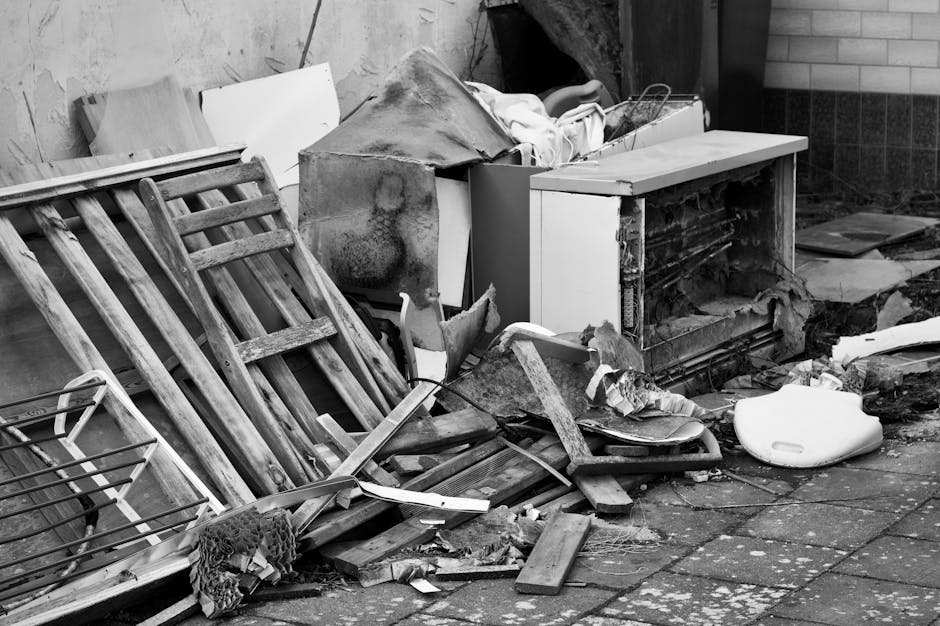
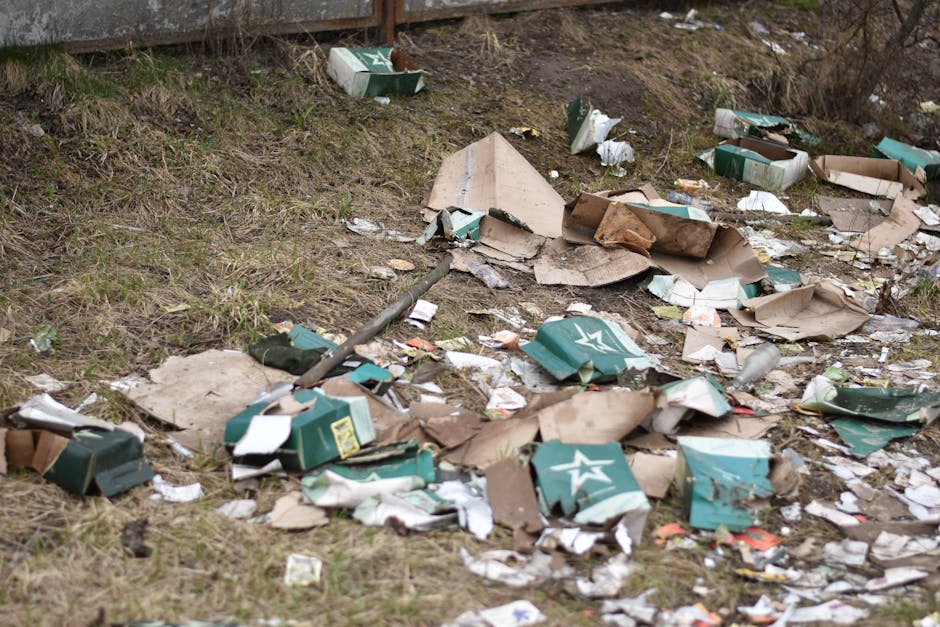
 offers rubbish removal services. The overall setting is outdoors under natural daylight, with the waste items clearly visible and organized for collection or disposal.](/pub/_photos/rubbish/f1375141888.jpg)
Office clearance usually produces several different material types, and the way they are sorted affects the quality of the final result. Furniture, metal items, paper waste, cardboard, plastics and mixed office contents may all be present in one job. A sensible clearance plan keeps those categories in mind from the start so that the work does not become a single undifferentiated pile of items.
Where a business wants to understand how reusable and recyclable materials are handled, our site also includes recycling and sustainability. That page is useful for customers who want a clearer picture of how sorting fits into the overall clearance process. In practice, responsible clearing is not only about what leaves the property, but also about making sure the contents are handled in a way that suits their type and condition.
Sorting before removal can make a noticeable difference on a busy site. It helps if paper records are kept separate from furniture, and if small mixed items are identified before they disappear into larger groups. The same idea applies to fittings and hardware that may still be useful, because a short review at the outset often prevents unnecessary disposal. Where a project includes a wider range of business rubbish, waste removal may also be relevant.
Planning a quotation for office clearance
When people request a quotation, the most useful information is usually a plain description of what needs to go and where it is located. A few notes about the size of the space, the type of contents and any access limitations can be enough to make the first discussion productive. If a site has lifts, narrow stairs, restricted parking or items that need dismantling, those details matter because they change the amount of work involved.
It also helps to mention whether the clearance is a one-off job or part of a staged move. Some customers want a room emptied in one visit, while others need certain items removed first and others left in place until later. For customers who want to compare pricing information before getting in touch, pricing and quotes is the most relevant page on the site for that next step. A clear brief helps make the quotation process more straightforward.
To prepare useful information, it is often enough to cover three points:
- what type of office contents need removing
- which areas of the building are involved
- whether there are any access or timing restrictions
About Croydon
Croydon is a large town and metropolitan centre in south London with a long history as a market settlement and a modern role as a significant commercial and transport hub. The town grew around the old centre near the parish church and later expanded with railway connections in the nineteenth century, which helped shape its busy streets, retail areas and office districts. Today the area combines tall civic and commercial buildings with older streets, open spaces and residential neighbourhoods that spread across a broad urban landscape. The town centre includes well-known landmarks such as the Whitgift Centre area, the former Croydon Clocktower cultural complex and a number of buildings associated with the borough’s civic life. Beyond the core shopping streets, Croydon includes parks, green corridors and historic places that reflect the area’s varied past, from the raised open space of Shirley Hills to the waterways and paths around the River Wandle corridor farther north-west. Transport has long been important here: East and West Croydon stations connect the town to central London, Gatwick and the wider railway network, while tram services and major roads tie different parts of the borough together. The borough itself contains distinct districts with their own character, including parts shaped by suburban growth, post-war development and conservation areas. Croydon’s built environment is therefore a mix of periods and styles, with Victorian terraces, modern commercial developments and public buildings sitting alongside remnants of earlier settlement. That mix gives the town a layered character that is easy to see in its streetscape, public spaces and continuing commercial activity.
Business premises and larger clear-outs

Larger commercial sites often need more than a simple room-by-room removal. They may include open-plan work areas, stores, meeting rooms, kitchens, archive sections and shared circulation spaces, each with different contents and different priorities. A well-run clearance takes those differences into account so the work can proceed in an orderly way rather than becoming a single, rushed emptying exercise. That is especially important where several departments or occupiers have used the same premises.
We can support wider business clearance needs where the project goes beyond one office and into a full workplace reset. For some customers, that means removing redundant office furniture and waste from a single floor; for others, it means coordinating a larger exit across multiple rooms. If the site has broader operational waste needs, builders waste clearance may also be relevant where refurbishment or strip-out work has created extra material to remove.
In commercial settings, the most useful thing is often clarity about what is staying and what is leaving. Once that is settled, the work can move in a logical order and the remaining space becomes easier to hand over, refurbish or reorganise. If you need office clearance in Croydon, the next step is simple: tell us what needs clearing and request a quotation.