Hazardous Waste Disposal Laws for Croydon Firms: A Practical Guide to Staying Safe, Legal, and Organised
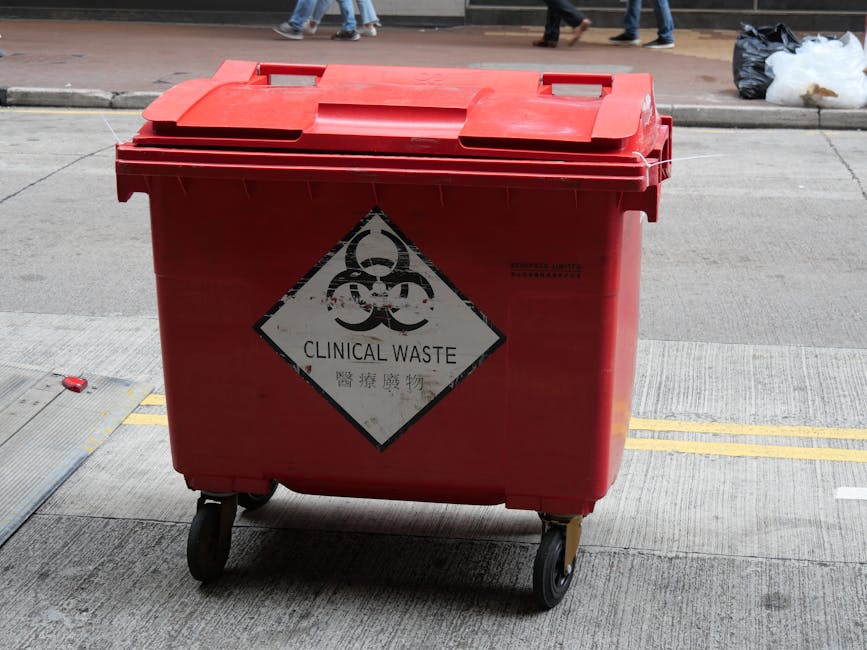
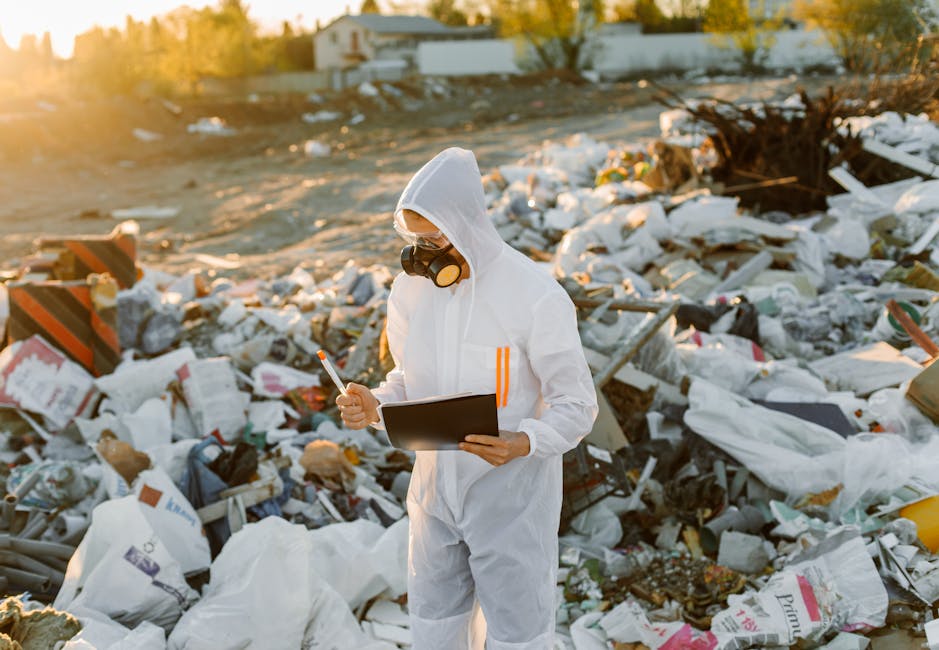
If you run a business in Croydon, hazardous waste probably isn't the first thing on your mind on a busy Monday morning. But the moment you deal with chemicals, fluorescent tubes, solvents, contaminated packaging, batteries, cleaners, paints, oils, or specialist equipment, the rules matter. Hazardous Waste Disposal Laws for Croydon Firms are not just paperwork in the background; they shape how you store, classify, move, record, and hand over waste safely.
Get it right and life stays simple. Get it wrong and you can end up with avoidable fines, reputational damage, or a messy trail of non-compliance that only gets harder to untangle later. This guide breaks the topic down in plain English, with practical steps, real-world examples, and a few useful checks you can actually use in day-to-day operations. No drama. Just what firms in Croydon need to know.
Why Hazardous Waste Disposal Laws for Croydon Firms Matters
Hazardous waste is the kind of waste that can cause harm to people, property, or the environment if it is handled badly. For Croydon firms, that can mean anything from a tray of old paint tins in a workshop to used cleaning chemicals in an office plant room, or oil-soaked materials after maintenance work. The law is there because these materials do not behave like ordinary rubbish. They need more care, more structure, and a clearer audit trail.
That matters for a few simple reasons. First, your business duty of care does not disappear just because a contractor collects the waste. Second, many firms assume "someone else will deal with it" and stop thinking about what happens after the bin bag leaves the building. That is where trouble begins. Third, local businesses in Croydon often work in shared premises, leased offices, retail units, light industrial spaces, or mixed-use buildings. In those settings, one careless disposal decision can affect neighbours, landlords, and compliance across multiple parties. Not ideal, to put it mildly.
And there is a practical side too. Good waste handling saves time. It reduces contamination, improves recycling outcomes, and makes inspections far less stressful. If you have ever seen a storage cupboard full of unlabeled containers and nobody quite remembers what is inside, you know the feeling. Small problem at first. Then suddenly not so small.
For firms managing broader business rubbish as well, it helps to keep hazardous waste separate from general commercial collections. A clear process alongside business waste removal services makes the whole operation easier to control.
Key takeaway: hazardous waste compliance is not just about avoiding penalties. It is about protecting staff, customers, neighbours, and your business reputation while keeping records clean and easy to prove.
How Hazardous Waste Disposal Laws for Croydon Firms Works
In the UK, hazardous waste is governed by a framework of legal duties and best-practice expectations. The exact steps depend on the type of waste, how much you produce, where it is stored, and who handles it next. You do not need to memorise the fine print of every rule to stay compliant, but you do need a dependable process. That is the part businesses often miss.
At a working level, the process usually looks like this:
- Identify the waste correctly. Is it hazardous, non-hazardous, or potentially mixed? If there is any doubt, treat it carefully and get it checked.
- Separate it from ordinary waste. Hazardous materials should not be tipped in with general office or trade rubbish.
- Store it safely. Use suitable containers, closed lids, clear labels, and a secure storage area away from heat, drains, or public access.
- Document what you have. Keep notes of what was produced, where it came from, and roughly how much there is.
- Use a competent carrier or disposal route. Only hand it to a provider who is equipped and authorised to handle that waste type.
- Keep transfer records. Waste transfer or consignment records help show that you fulfilled your duty of care.
Simple enough on paper. In real life, the challenge is consistency. A single office refit, a back-room clearance, or a maintenance job can generate waste that looks minor at first and then becomes complicated once mixed with other materials. A battery in the wrong bin, a paint can with residue, a fluorescent tube cracked during removal - that sort of thing.
For Croydon businesses arranging larger clearances, especially where mixed waste streams are involved, it is sensible to align hazardous sorting with broader collection planning. If you are already looking at office clearance or waste removal, build hazardous separation into the job from the start rather than trying to rescue it later. Late fixes are always clunkier.
One practical point: if you do not know exactly what a material is, do not guess. Label it as unknown and keep it isolated until a competent person checks it. Guessing is where many compliance stories go sideways.
Key Benefits and Practical Advantages
Following hazardous waste disposal law is obviously a legal obligation, but the benefits are not just legal. In day-to-day business terms, compliance makes your operation calmer and more predictable. That sounds soft, but it is real.
- Lower risk of incidents: safer storage and handling reduce spills, exposure, and accidental mixing.
- Cleaner audit trails: if a landlord, insurer, or inspector asks questions, you can answer them quickly.
- Better staff confidence: people work more carefully when the process is clear.
- Less contamination: separating hazardous waste improves recycling and disposal outcomes.
- Fewer operational delays: no last-minute panic because the wrong items are stuck in the wrong room.
- Stronger reputation: clients notice when a firm takes safety seriously.
There is also a quieter benefit: you save mental bandwidth. If your team knows what to do with a broken toner cartridge, a used solvent tin, or an old office battery pack, those decisions stop interrupting the working day. It is one of those things you only appreciate after it's in place.
For firms that care about wider environmental performance, proper hazardous handling also supports a more credible sustainability story. If you already talk about recycling and resource efficiency, make sure your internal process backs it up. You can see how this fits with a broader responsible disposal mindset through the site's recycling and sustainability approach.
Who This Is For and When It Makes Sense
This topic is relevant to far more businesses than people first assume. You do not need to run a chemical plant to create hazardous waste. In Croydon, the most common situations often come from ordinary commercial activity.
Hazardous waste compliance matters for:
- offices replacing IT equipment, batteries, toner, or cleaning products
- shops and salons storing chemicals, aerosols, or electrical items
- workshops and light industrial firms handling oils, solvents, absorbents, and parts wash products
- builders and contractors dealing with site waste, adhesives, sealants, paints, and contaminated materials
- landlords and managing agents clearing properties that contain old chemicals or abandoned items
- facility managers responsible for multiple waste streams across a site
It also makes sense when your waste volume is low but the risk is high. A few containers of solvent can be more sensitive than several bags of ordinary office clutter. That is the part people sometimes miss. The volume is not the only factor.
Smaller businesses often think compliance is only for large operators, but the duty of care applies all the same. If you are a three-person firm in a Croydon high street office and you swap out a cupboard of old cleaning chemicals, the rules still matter. No loophole. Annoying, perhaps, but fair enough.
If your premises are being reorganised or stripped back, you may also be dealing with bulky items and mixed waste. In that case, it can be helpful to coordinate with a provider that understands different removal categories, from builders waste clearance to heavier clear-outs. Not every job is just one neat stream.
Step-by-Step Guidance
Here is a practical way to handle hazardous waste law without making it feel like a legal maze. Keep it simple, but keep it disciplined.
1. Walk the site and identify the waste
Look in cupboards, store rooms, maintenance areas, plant rooms, vehicle bays, and break spaces. Many businesses only notice hazardous items once they start moving furniture or preparing for a clearance. A quick visual sweep often reveals more than expected: half-used tins, aerosol cans, old batteries, cleaning agents, fluorescent tubes, and damaged electronics.
2. Separate hazardous from non-hazardous waste
Once identified, keep it apart. Do not allow mixed bags or mixed containers unless the disposal route specifically accepts them. Mixing creates extra handling difficulty and can make an otherwise simple job expensive and awkward.
3. Label and contain it properly
Use stable, closed containers where possible. Labels should be readable and specific enough to help someone else understand what is inside. "Waste" is not a label. "Used solvent residue" is better. "Unknown liquid from storeroom shelf" is even more honest if you are not sure yet.
4. Check storage conditions
Storage should be secure, dry, and away from public access. Do not place hazardous items near drains, radiators, or food prep areas. If a container looks damaged, overfilled, or unstable, deal with that promptly rather than leaving it "for later". Later has a habit of becoming tomorrow, then next week.
5. Keep transfer details
Document what was removed, when, and by whom. Keep copies of records in a place your team can actually find. Digital systems are fine, but only if somebody knows where the file lives. You would be surprised how often compliance fails at the "where did we save it?" stage.
6. Use the right collection method
Some businesses need a dedicated hazardous waste route. Others only need a limited clearance as part of a wider site clean-up. Either way, do not hand dangerous materials to a service not set up for them. If you are already planning a general property clearance, coordinate the hazardous side early and keep the work aligned with the rest of the removal plan. That avoids half-finished rooms and awkward return visits.
7. Review the process after the job
After every clearance, ask what went well and what was clunky. Did someone nearly throw batteries into the wrong bag? Did the labels make sense? Was the storage area easy to access? Small tweaks here save a lot of irritation later.
Expert Tips for Better Results
In our experience, the firms that manage hazardous waste best are not necessarily the biggest. They are the ones that make the process boring in the best possible way. Predictable. Written down. Not left to memory alone.
- Create a one-page waste guide: list the common hazardous items your team might produce and what to do with each one.
- Use consistent labels: if every container is marked in the same way, staff make fewer mistakes.
- Train new starters early: waste handling should be part of onboarding, not an afterthought.
- Schedule regular cupboard checks: old stock and forgotten items tend to breed quietly in the back of a room.
- Keep a photo log: a quick picture before collection can help with internal records and disputes later.
- Separate "unknown" items immediately: do not let them sit with normal waste while people debate what they are.
A small real-world habit can make a big difference: ask whoever orders cleaning products or maintenance supplies to flag anything hazardous before it enters the site. It sounds obvious, but obvious is often what gets missed.
Also, if your operation involves regular clear-outs rather than one-off jobs, keep a recurring compliance calendar. Nothing fancy. Just simple reminders for storage checks, record reviews, and disposal scheduling. Straightforward, almost dull. Perfect.
Common Mistakes to Avoid
Most hazardous waste problems are not dramatic. They are ordinary mistakes repeated too casually. That is why they are tricky.
- Mixing hazardous and general waste: this is the classic one, and it causes headaches fast.
- Assuming small quantities do not count: they do. Size does not cancel duty of care.
- Poor labelling: if nobody can identify the contents later, you have created extra risk.
- Storing waste in accessible areas: corridors, stairwells, and public-facing spaces are not ideal.
- Failing to keep records: even a compliant disposal can look weak if there is no paperwork trail.
- Using the wrong contractor: a general clearance team may be excellent for ordinary waste but not for hazardous materials unless they are set up for it.
- Leaving old items in place "until the next clean-up": that often means they sit around for months. Maybe longer.
One subtle mistake is ignoring mixed-waste areas such as cupboards, drawers, under-desk storage, and back shelves. Hazardous items often hide in plain sight. You open a cabinet expecting stationery and find half a tin of paint, three dead batteries, and a cracked aerosol can. Bit of a moment, that.
The fix is not complicated: inspect early, label clearly, and do not let convenience override safety.
Tools, Resources and Recommendations
You do not need a massive system to stay on top of hazardous waste. A few sensible tools can make compliance much easier.
- Inventory sheet: a simple list of hazardous items, where they are stored, and who is responsible for them.
- Label printer or durable labels: useful for containers that need to stay legible over time.
- Basic incident log: record spills, damaged containers, or near misses.
- Storage checklist: a short monthly or quarterly review of conditions and container status.
- Collection calendar: avoid letting hazardous waste pile up too long.
- Internal reporting route: staff should know who to tell if they find something suspicious or unlabelled.
For firms already managing other waste or clearance needs, it can be useful to think in categories. General commercial waste, office clearance materials, furniture, and special waste should each have their own route. That is especially helpful if you are also dealing with items from furniture clearance or furniture disposal work, where mixed materials often turn up in the same room.
If your premises include storage areas, garages, lofts, or unused back rooms, build an inspection habit around them. These spaces collect old stock and forgotten items faster than people expect. A tidy office can still hide a hazardous surprise in the cupboard by the fire door. It happens.
Law, Compliance, Standards, and Best Practice
It is worth saying plainly: hazardous waste handling is a compliance issue, not a "best effort if we have time" task. The legal framework in the UK requires businesses to take reasonable steps to store waste safely, transfer it responsibly, and keep appropriate records. If you are the producer of the waste, you remain responsible for the duty of care even after the collection vehicle drives away.
For Croydon firms, the practical expectation is that you can show the following:
- you identified the waste properly
- you kept it separate from ordinary rubbish
- you stored it in a safe and suitable way
- you used a competent and appropriate waste route
- you retained the right documentation
That is the high-level version. The fine detail depends on the material type and your operation. For example, batteries, electrical items, chemicals, solvents, oils, and contaminated absorbents may each need different handling. Best practice is to treat every hazardous stream as if somebody will need to explain it later - because they might.
Compliance also connects to other areas of business governance. If your firm already takes premises safety seriously, you should see hazardous waste as part of the same culture, not a separate box to tick. The team that follows the health and safety policy well is usually the team that handles waste better too. Funny how that works.
And if you are outsourcing any part of the job, make sure you understand the terms, service scope, and responsibilities before the collection happens. Clear paperwork matters. So does knowing where the boundaries are. That is where simple, transparent provider information - including terms and conditions and insurance and safety information - becomes genuinely useful.
Options, Methods, and Comparison Table
Not every firm needs the same approach. Some need an occasional collection for a few items. Others need regular, documented handling because the waste comes up often. Here is a simple comparison to help you choose the right method.
| Method | Best for | Strengths | Limitations |
|---|---|---|---|
| In-house storage and scheduled removal | Firms with low but recurring hazardous waste | Good control, easier tracking, predictable routine | Requires discipline and regular checks |
| One-off hazardous collection | Refits, clear-outs, and stock changes | Quick resolution, ideal for isolated jobs | Can be less efficient if waste appears frequently |
| Combined wider clearance with hazardous separation | Offices or sites with mixed waste streams | Reduces disruption and keeps the job moving | Needs careful planning from the start |
| Reactive disposal after a problem is found | Unexpected discoveries | Solves urgent issues fast | Usually the most stressful and least efficient option |
For most Croydon firms, the best route is a tidy mix of internal sorting and planned external removal. The less you leave to chance, the smoother it goes. A lot smoother, actually.
Case Study or Real-World Example
Consider a mid-sized professional services office in Croydon preparing for a floor refresh. The team assumed the job would involve mostly desks, chairs, outdated storage, and general rubbish. Simple enough. Then the facilities lead opened a locked cupboard and found old cleaning products, batteries, toner cartridges, several damaged lamps, and a couple of unlabelled containers left behind by a previous tenant.
At first glance, none of it looked dramatic. But the room now held multiple waste streams, each needing a different decision. The office manager paused the clear-out, separated the hazardous items, labelled the containers, and kept the unknown liquids isolated for review. The ordinary furniture and office items moved through the normal clearance route, while the hazardous items were handled separately with the proper records in place.
The result was not glamorous, but it was clean, controlled, and far cheaper than dealing with a rushed fix after the whole room had already been piled into one mixed heap. The biggest win? Staff learned to check cupboards earlier next time. Small habit, big difference.
That kind of practical sorting matters whether you are clearing a workplace, a storage area, or a mixed-use property. It also helps when a business is coordinating an office move, a back-room clearance, or a broader commercial waste programme. If the items are handled in the right sequence, the day stays manageable.
Practical Checklist
Use this checklist before any hazardous waste is moved off site:
- Have all hazardous items been identified and separated from general waste?
- Are containers closed, stable, and clearly labelled?
- Is the storage location secure and away from public access?
- Have you checked for leaks, damage, or overfilled containers?
- Do you know what each item is, or have you marked unknowns clearly?
- Are waste records ready to keep or hand over?
- Is the collection route suitable for hazardous materials?
- Have staff been briefed on what not to touch or move?
- Have you checked whether any items also count as electrical or special waste?
- Is there a named person responsible for sign-off?
If you can tick most of those without hesitation, you are in good shape. If not, slow down a little and sort the basics first. That is usually the smartest move.
Get a free quote today and see how much you can save.
Conclusion
Hazardous waste disposal laws can seem fiddly from the outside, but for Croydon firms they boil down to a few sensible habits: identify waste properly, keep it separate, store it safely, hand it over to the right route, and keep records that prove what happened. Do that consistently and the whole subject becomes much less intimidating.
Truth be told, the businesses that stay calm on this are usually the ones that put a basic system in place before they need it. Not after the cupboard is full. Not after a spill. Before. That is the real lesson here. A little preparation now saves a lot of noise later, and it gives your team confidence as well.
If you are planning a larger business clearance, reviewing storage areas, or aligning hazardous handling with wider waste processes, take a step back and make the flow simpler. Clear categories, clear records, clear responsibility. It really is that plain. And once it is in place, you will wonder why it ever felt complicated.
Frequently Asked Questions
What counts as hazardous waste for a Croydon business?
Hazardous waste is anything that could harm people or the environment if it is mishandled. For firms, that often includes chemicals, solvents, oils, batteries, aerosols, fluorescent tubes, contaminated materials, and certain electrical items.
Do small businesses have to follow hazardous waste rules too?
Yes. Size does not remove responsibility. Even a small office, salon, or workshop has to identify, store, and dispose of hazardous waste properly if it produces any.
Can hazardous waste be mixed with general business waste?
No, it should not be mixed with ordinary waste. Separation is one of the core compliance habits, and mixing materials makes disposal more difficult and risky.
What records should a firm keep?
Keep clear notes of what the waste was, where it came from, roughly how much there was, when it was collected, and who handled it. Good records make compliance much easier to prove if needed.
How long can hazardous waste be stored on site?
There is no useful one-size-fits-all answer. The practical rule is to store it safely and not longer than necessary. If waste is building up, review your collection schedule and storage controls.
What should I do with unlabelled containers?
Do not guess. Keep them separate from other waste, mark them as unknown, and arrange for someone competent to assess them before they are moved or disposed of.
Is a general clearance company enough for hazardous waste?
Only if the provider is set up to handle hazardous materials properly. Ordinary clearance services are often fine for general waste, but hazardous items need the right process and documentation.
What is the biggest compliance mistake firms make?
The biggest one is usually mixing waste streams or failing to keep records. Both problems are easy to avoid, but they are also easy to overlook during a busy clearance.
Does office refurbishment create hazardous waste?
It can, yes. Common examples include old lamps, batteries, cleaning chemicals, leftover paint, sealants, and contaminated materials found during the work.
How do I know whether a material is hazardous or not?
If the label, safety sheet, or contents are unclear, treat it cautiously and get it checked. When in doubt, keep it isolated rather than folding it into general waste.
What is the best first step for a Croydon firm starting from scratch?
Start with a site walk-through and a simple inventory of any risky items. Then create a clear separation and storage system before the next disposal or clearance happens.
Why does this matter so much for local businesses?
Because the duty of care sits with the business that creates the waste. In a busy place like Croydon, where offices, shops, workshops, and shared buildings sit close together, a small mistake can spread quickly. A calm process keeps everyone safer.
If you want your waste process to feel lighter, neater, and far less stressful, keep it simple and keep it consistent. That is usually where the real difference shows up.