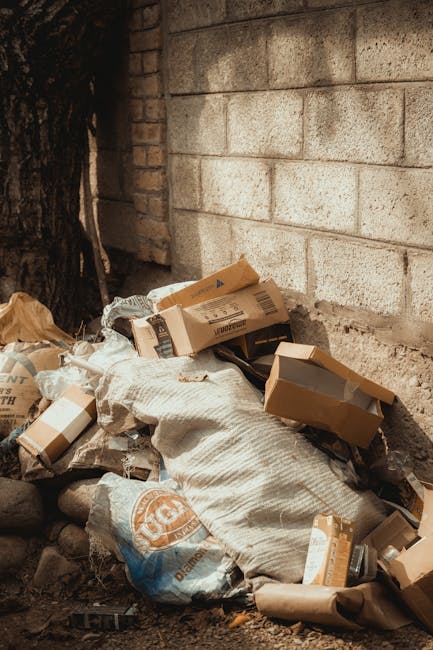
CR0 Rubbish Removal Guide for Thornton Heath Homes
Rubbish builds up quietly. A broken wardrobe in the spare room, garden cuttings after a tidy-up, old boxes from a move, maybe a loft that has become a storage museum. Before long, you are looking at more waste than one council bin collection can reasonably handle. This CR0 Rubbish Removal Guide for Thornton Heath Homes is designed to help you work out what to remove, how to remove it safely, and when a professional service makes the most sense.
Whether you are clearing a terrace house near the high street, dealing with a post-renovation pile-up, or just trying to reclaim the garage, the same principles apply: sort properly, avoid illegal disposal, keep access in mind, and choose the right method for the job. If you want a broader overview of household clearance options, you may also find the home clearance service and house clearance support useful alongside this guide.
This article breaks the process down into simple steps, shows you the common mistakes to avoid, and helps you compare your options without the usual jargon. A neat clearance plan can save time, reduce stress, and make a cramped home feel workable again. That part alone is worth it.
Table of Contents
- Why CR0 Rubbish Removal Guide for Thornton Heath Homes Matters
- How CR0 Rubbish Removal Guide for Thornton Heath Homes Works
- Key Benefits and Practical Advantages
- Who This Is For and When It Makes Sense
- Step-by-Step Guidance
- Expert Tips for Better Results
- Common Mistakes to Avoid
- Tools, Resources and Recommendations
- Law, Compliance, Standards, or Best Practice
- Options, Methods, or Comparison Table
- Case Study or Real-World Example
- Practical Checklist
- Conclusion
- Frequently Asked Questions
Why CR0 Rubbish Removal Guide for Thornton Heath Homes Matters
Thornton Heath homes are often practical, lived-in spaces where storage gets stretched. Rooms can do double duty, extensions fill up fast, and outdoor areas end up absorbing everything from old fence panels to broken toys. When rubbish is left to stack up, it starts affecting how the home feels and functions.
Good rubbish removal is not just about making things look tidy. It helps you:
- recover usable space in bedrooms, lofts, garages, and gardens
- reduce trip hazards and clutter-related stress
- prepare for decorating, moving, or a tenancy change
- deal with bulky items that regular bin collections will not take
- avoid fly-tipping or unsafe storage of waste
There is also a practical local angle. Narrow driveways, shared access, permit parking, and busy residential streets can make waste removal more complicated than people expect. A well-planned clear-out respects those constraints and avoids turning a simple job into a messy one. In our experience, that planning is where most of the time savings come from.
Practical summary: The best rubbish removal plan is not the fastest one on paper; it is the one that is safe, legal, and suited to your home's access, waste type, and timeline.
How CR0 Rubbish Removal Guide for Thornton Heath Homes Works
At a practical level, rubbish removal follows a simple pattern: identify the waste, separate what stays from what goes, choose a collection method, and make sure the material reaches the right place afterwards. The details matter, though, because not every item can be treated the same way.
A standard household clearance may involve mixed items such as furniture, general junk, cardboard, light DIY waste, white goods, or garden debris. Heavier builders' spoil, electrical items, mattresses, and items containing hazardous materials may need special handling. A proper service should be able to explain how each category is managed, not just say "we take everything" and hope for the best.
If you are comparing services, it can help to look at a specialist page like waste removal for general collections or furniture disposal if bulky items are the main issue. For homes with a lot of reusable furniture, a furniture clearance approach may be more efficient than trying to shift each piece yourself.
The process usually looks like this:
- Assess the volume and type of rubbish.
- Check access, parking, and any loading restrictions.
- Remove items safely from the property.
- Sort waste for reuse, recycling, or disposal.
- Transport it to the appropriate facility or transfer point.
That sorting stage is easy to underestimate. It is also where responsible services prove their value, especially if they prioritise recycling and sensible disposal rather than simply moving waste out of sight.
Key Benefits and Practical Advantages
Done properly, rubbish removal creates benefits that go beyond visual tidiness. A cleaner property is easier to manage, easier to clean, and easier to live in. That sounds obvious, but in a busy household it can be a meaningful difference.
Here are the main advantages Thornton Heath homeowners typically notice:
- More usable space: A cleared loft, garage, or spare room can become genuinely useful again.
- Better safety: Fewer loose items means fewer hazards, especially in hallways, stairs, and gardens.
- Less decision fatigue: Once the waste is gone, the remaining home project becomes simpler.
- Faster property preparation: Useful for sales, lettings, renovations, or family visits.
- More responsible disposal: Professional sorting can reduce unnecessary landfill use.
There is a quieter benefit too: emotional relief. A cluttered room can subtly drain your attention every time you walk past it. Clearing that room often feels more satisfying than people expect. You notice the light, the floor space, the calm. It is not dramatic. It is just easier to live there.
If you are tackling a larger project, the right service can also save you multiple car trips, repeated lifting, and the usual "we'll do it next weekend" cycle that, let's face it, can last a very long time.
Who This Is For and When It Makes Sense
This guide is most useful if you are a homeowner, landlord, tenant, executor, or family member dealing with household waste in CR0. It is especially relevant when the waste is too bulky, too mixed, or too much to handle efficiently with normal bins.
Typical situations include:
- End-of-tenancy clearances: Removing left-behind items, broken furniture, or general clutter.
- Before a sale or valuation: Making a property presentable and easier to photograph.
- After a renovation: Shifting plasterboard offcuts, packaging, and other DIY waste.
- Garden overhauls: Clearing branches, soil bags, pots, and worn-out outdoor furniture.
- Loft or garage decluttering: Freeing up storage that has become unmanageable.
For smaller spaces such as maisonettes and flats, access can be the deciding factor. Stairs, shared entrances, and limited parking often make a professional team more sensible than a DIY run to the tip. If that sounds familiar, a flat clearance service may fit better than a general household clear-out.
It also makes sense when timing matters. If you need a room cleared by tomorrow, or you have a chain progressing quickly, a structured collection is usually the least stressful route.
Step-by-Step Guidance
The easiest way to avoid chaos is to treat rubbish removal as a short project rather than one giant chore. Break it into stages and you will make better decisions at each point.
1. Walk through the property room by room
Start with the obvious areas: hallways, kitchen, loft, garage, shed, spare rooms, and the garden. Identify what is rubbish, what can be donated or reused, and what still has a purpose. This first pass often reveals more than you expected, especially in storage spaces.
2. Separate the waste into sensible groups
Do not just create a single "junk pile." Separate items by category where possible: furniture, electricals, cardboard, garden waste, and renovation debris. This makes collection faster and helps the disposal stage run more efficiently. It is also easier to judge whether you need a general home clearance or a more focused service such as garden clearance or garage clearance.
3. Check what needs special handling
Some items are not straightforward waste. Fridges, freezers, certain electronics, paint tins, sharp objects, and materials from building work may need extra care. If you are unsure, ask before the collection day rather than guessing. That small question can prevent a bigger problem later.
4. Measure access and loading conditions
Think practically: where will the team park, how far is the carry distance, are there stairs, and is there a door width issue? These details affect speed and cost. They also help prevent damage to walls, floors, and furniture left nearby.
5. Get a quote based on reality, not optimism
Be honest about what is there. Understating the volume can lead to unpleasant surprises, while overloading a small collection can leave you half-finished. If the job includes mixed waste or bulky furniture, ask for a quote that reflects the whole picture. For many households, a pricing discussion through pricing and quotes is the best starting point.
6. Prepare the space before collection
Clear a route to the items if possible, move fragile belongings out of the way, and make sure parking or access arrangements are understood. If you can safely stack items near the exit, that often speeds things up. If not, leave them where they are and let the crew handle the lifting.
7. Confirm what happens after removal
Ask how items will be sorted and where they will go. A responsible service should be able to explain recycling and disposal practices without sounding vague. If sustainability matters to you, review a provider's recycling and sustainability approach before you book.
Expert Tips for Better Results
A few small habits make the whole process smoother. These are the kind of details people often overlook until they have already lifted the sofa twice.
- Photograph the load before booking. Pictures help establish the volume and avoid misunderstandings.
- Bundle similar materials together. Cardboard with cardboard, wood with wood, garden cuttings together if you can do it safely.
- Keep donation items separate. Reusable items should not be mixed in with wet garden waste or broken rubbish.
- Protect floors and corners. Old blankets or cardboard sheets can be useful if you are moving heavy items internally.
- Choose the right service for the waste type. Furniture, loft junk, and builders' debris are not identical jobs.
It also helps to think in terms of sequence. Clear the widest access routes first, then the heaviest objects, then the loose miscellany. That order is usually less frustrating and much safer than starting with the smallest items.
If the property contains a lot of mixed household goods, a broader household clearance service overview from a nearby service area can also help you understand how different clearance types are structured, even if you are booking locally in CR0.
Common Mistakes to Avoid
Most rubbish removal problems are avoidable. The trouble is that people often only realise the mistake once they are already halfway through the job.
1. Treating all waste as one category
Mixed waste is normal, but not all items belong together operationally. If you have builders' rubble, electricals, garden waste, and old furniture all in one pile, make sure the service can manage it correctly. A specialist option like builders waste clearance may be the better fit when renovation debris dominates.
2. Forgetting about access and parking
Many home clearance jobs in Thornton Heath are slowed down by access issues, not by the amount of rubbish itself. Narrow roads, parked cars, and stair-heavy properties can all affect the schedule.
3. Leaving hazardous items for later
Items such as chemicals, solvents, and damaged electrical goods should not be treated casually. If a service does not clearly explain what it can and cannot take, keep asking. Silence is not a disposal plan.
4. Booking purely on price
The cheapest quote is not always the best value if it leads to delays, unclear disposal, or extra charges. A better question is: what is included, how is it handled, and what happens if the load turns out to be slightly different from expected?
5. Not sorting reusable items
One of the easiest wins is to separate furniture or belongings that could be donated, sold, or rehomed. Throwing everything into the same pile can mean useful items are lost unnecessarily. A service focused on furniture clearance can help you manage this more intelligently.
Tools, Resources and Recommendations
You do not need specialist equipment for every job, but a few simple tools can make household rubbish removal much easier.
- Heavy-duty bags or rubble sacks: Useful for light mixed waste, garden cuttings, and smaller loose items.
- Gloves: Protect against sharp edges, grime, and splinters.
- Furniture sliders or a sack truck: Helpful for safe movement of bulky items, if used properly.
- Markers or labels: Good for separating donation items from waste.
- Measuring tape: Handy if you need to confirm whether items will fit through a hallway or doorway.
For homeowners dealing with a broader property reset, the following pages are practical starting points:
- loft clearance for attic storage and long-forgotten boxes
- garage clearance for tools, bikes, and household overflow
- garden clearance for outdoor waste and seasonal overgrowth
- contact us when you are ready to discuss a collection
If you are weighing up whether to dispose of items individually or as part of a wider job, think about time, lifting, vehicle access, and sorting effort. In many cases, the "one tidy visit" route is simply less disruptive.
Law, Compliance, Standards, or Best Practice
Rubbish removal sits in a practical corner of everyday life, but it still needs to be handled responsibly. In the UK, householders should avoid passing waste to anyone who cannot handle it properly or appears unlikely to dispose of it lawfully. If waste is fly-tipped after collection, the original owner can face difficult questions, so due diligence matters.
Best practice usually includes:
- using a provider that can explain how waste is handled
- separating hazardous or specialist items before collection
- keeping records or receipts where appropriate
- ensuring waste does not block shared access or fire routes
- checking that any team entering the property works safely and carefully
Health and safety also matters inside the home. Old loft spaces, damp garages, awkward staircases, and heavy lifting are common sources of avoidable accidents. If you want to understand how a responsible company approaches these issues, review its health and safety policy and insurance and safety information.
For additional confidence, you may also want to check the business background and operating standards of the provider via its about us page. That is not over-cautious. It is sensible.
Options, Methods, or Comparison Table
There is no single correct way to remove household rubbish. The best option depends on volume, urgency, access, and the type of waste you have.
| Method | Best for | Strengths | Limitations |
|---|---|---|---|
| Self-haul to a facility | Small loads, easy access, available vehicle | Can suit very small clearances | Time-consuming, lifting-heavy, multiple trips may be needed |
| Skip hire | Moderate to large volumes, ongoing DIY projects | Useful if waste will accumulate over days | Requires space, permits may apply, sorting can be less flexible |
| Man and van clearance | Mixed household rubbish, bulky items, fast turnarounds | Quick, labour included, easier for tight access | Needs accurate quoting and clear communication |
| Specialist clearance service | Furniture, lofts, garages, gardens, or complex waste | More tailored handling, often more efficient | May not be necessary for a tiny job |
For many Thornton Heath homes, a clearance service sits in the sweet spot. It balances effort, speed, and practical handling, especially where stairs or parking make a DIY approach awkward. If the job is more commercial or shared-use than household, a dedicated business waste removal option may be more suitable than a domestic one.
Case Study or Real-World Example
Consider a typical Thornton Heath property: a two-storey home with a crowded loft, an underused garage, and a garden that has collected broken pots, bagged cuttings, and an old table. The owners had planned to sort it gradually, but the clutter kept getting in the way of everyday life.
They started by separating obvious keepers from waste. Boxes of old paperwork were shredded, a few reusable chairs were set aside, and the rest was grouped by area: loft, garage, garden, and furniture. That simple sorting step took longer than expected, but it made the actual removal far more efficient.
Instead of trying to do everything in one exhausting weekend, they used a staged approach. The loft was cleared first because it was the hardest to access. The garage followed, then the garden, then the bulky furniture. The biggest lesson? Once the heavy items were gone, the rest of the property was much easier to finish. The home suddenly felt less crowded, and the family could finally use the spaces properly again.
That sort of result is common. The big win is not just removing waste; it is restoring the function of the home. A garage becomes a garage again. A loft becomes storage, not a burial site for mystery boxes.
Practical Checklist
Use this quick checklist before booking or beginning a rubbish removal job:
- Have I identified exactly what needs removing?
- Have I separated rubbish from reusable or donation items?
- Do I know whether there are electricals, sharp objects, or special waste?
- Is access clear for lifting and loading?
- Have I checked parking or loading restrictions if relevant?
- Do I know whether I need a full house clearance or a targeted service?
- Have I asked how the waste will be sorted and disposed of?
- Have I compared the overall value, not just the headline price?
- Are fragile items and keepers protected before the team arrives?
- Do I know who to contact if the job changes slightly on the day?
It is a short list, but it catches most of the avoidable problems. That is usually where the savings are made.
Conclusion
A good rubbish removal plan for a Thornton Heath home is simple in principle and careful in execution. Start with a clear view of what needs to go, match the method to the waste, and do not ignore access, safety, or disposal standards. Whether you are clearing a loft, tidying a garden, or removing bulky furniture after a move, a structured approach saves time and stress.
The most effective households do not wait until clutter becomes overwhelming. They tackle the problem while it is still manageable, get the right support where needed, and choose a service that values responsible handling as much as speed. If you want a deeper look at related clearance options, the pages on house clearance, loft clearance, and recycling and sustainability are useful next steps.
Ready to move from planning to action? A quick quote and a clear description of the job is usually all it takes to get things moving.
Get a free quote today and see how much you can save.
Frequently Asked Questions
What counts as household rubbish for removal in Thornton Heath?
Household rubbish usually includes general junk, unwanted furniture, old boxes, broken items, garden waste, and some DIY debris. If you have electricals, heavy rubble, or anything potentially hazardous, it is best to check in advance so the waste is handled correctly.
Is it better to use a rubbish removal service or hire a skip?
It depends on access, volume, and how quickly you want the area cleared. A skip can suit ongoing DIY work, while a rubbish removal service is often better for mixed household waste, bulky items, and homes with limited parking or access.
How do I prepare my home before a clearance team arrives?
Clear a route if you can, separate anything you want to keep, and flag any fragile, heavy, or unusual items. If parking is tight or access is awkward, tell the team in advance so they can plan properly.
Can furniture be removed as part of a general rubbish collection?
Yes, in many cases it can. Sofas, wardrobes, tables, beds, and similar items are commonly collected. If furniture is the main part of the job, a dedicated furniture or house clearance service may be more efficient.
What happens to the rubbish after it is collected?
Responsible providers sort waste for reuse, recycling, and disposal where possible. The exact process depends on the material type and the provider's handling procedures, so it is reasonable to ask how your items will be managed.
Do I need to sort waste before collection?
Basic sorting helps, but you do not always need to do everything yourself. Separating donation items, obvious recyclables, and special waste can make the process smoother and may help avoid delays on the day.
What if my rubbish includes garden waste and old furniture together?
Mixed loads are common. A good service should be able to manage different waste types together, provided they are declared clearly. Garden waste and furniture are handled differently, so honest description matters.
Are loft and garage clearances treated differently from standard rubbish removal?
Often, yes. Loft and garage clearances usually involve more sorting, tighter access, and more mixed items than a simple waste collection. That is why specialised clearance pages and tailored quotes are often helpful.
How do I know if a quote is fair?
A fair quote should reflect volume, item type, access, labour, and disposal requirements. If a price seems unusually low, ask what is included. Transparent pricing is usually a better sign than a bargain that later grows.
Is rubbish removal suitable for tenants and landlords?
Absolutely. Tenants often need help after moving out, and landlords may need a property cleared between occupancies. It is especially useful when items are left behind and time is tight.
Can I request a same-day or next-day collection?
Sometimes, yes. Availability depends on schedule, load size, and location. If you have a deadline, contact the provider as early as possible and be clear about the volume and access conditions.
What should I ask before booking a clearance company?
Ask what waste types they can take, how they handle recycling, what is included in the quote, whether they have safety and insurance information, and how they manage access or parking issues. Those questions tell you a lot very quickly.